Accurate Insulation Takeoff for Cost-Effective Projects
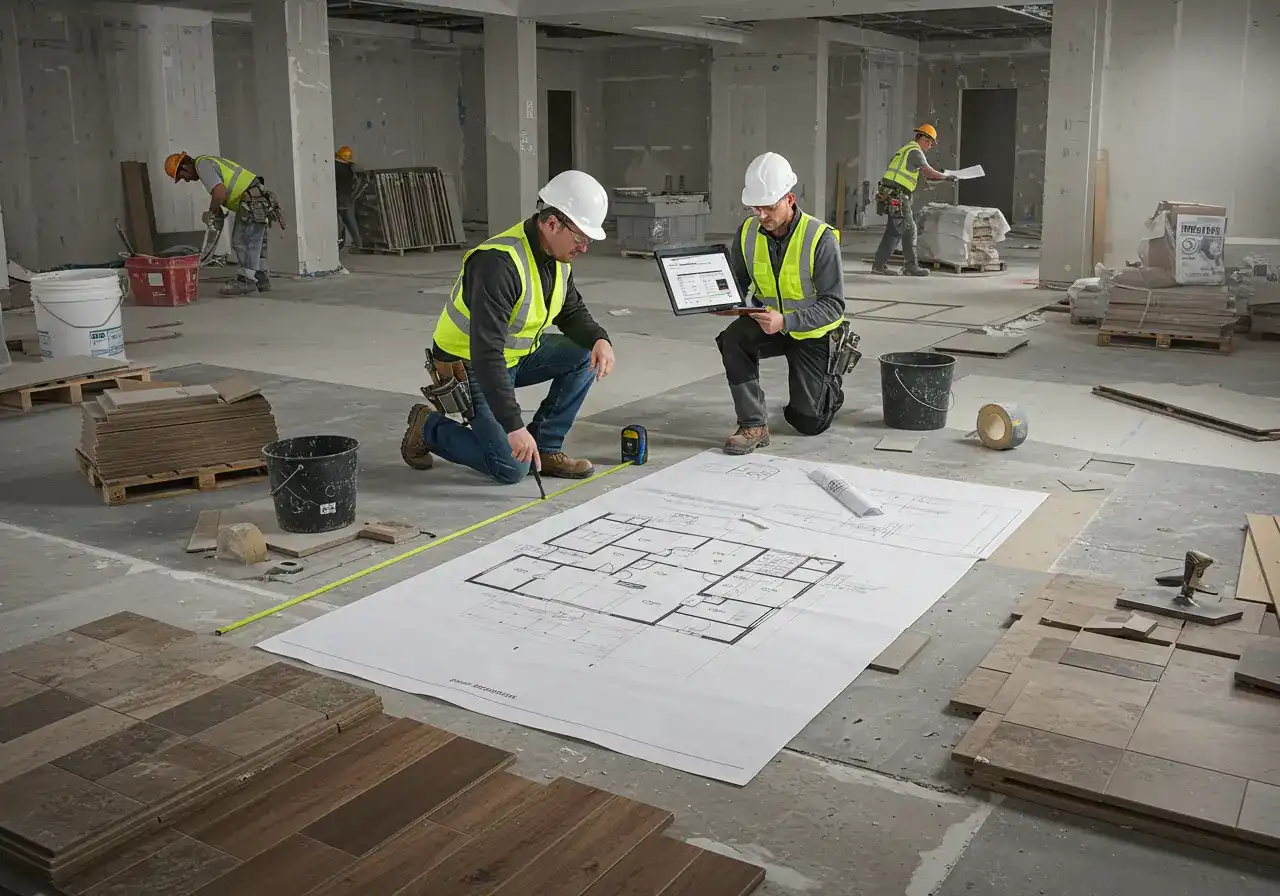
Good insulation estimation starts before the first roll of batt or can of foam gets ordered. Every project has zones that behave differently — an attic with a low ridge, a basement wall with moisture exposure, or a commercial ceiling with mechanical runs cutting through it. These details change what goes in, how much you need, and how long installation takes. At ProEstimatrix, we work through those details on paper before they become problems on site.
We review your drawings, mark each zone, and match the right material to each area of the build. The goal is simple: numbers that reflect the actual job, not a ballpark based on total square footage. Our takeoffs account for framing layout, cavity depth, surface changes, and tight access points — everything that affects how the crew will actually work.
Need a Reliable Construction Estimate?
Submit your project details today and receive accurate material takeoffs, cost estimates, and bid preparation support to help you bid with confidence.
Why You Need a Professional Insulation Estimate
A good insulation estimator does more than scan a floor plan. They read wall sections, check roof slopes, look at surface types, and think about how air and moisture move through the building. Those details shape both material selection and labor time.
Spray foam in a narrow joist bay takes longer than batts in a straight open wall. Blown-in over a finished ceiling needs different staging than loose fill in an open attic. Builders who rely on rough square footage often end up short on materials, over on labor, or out of compliance with code requirements for specific zones.
Proper insulation estimation removes that guesswork. You get quantities tied to real building conditions, not averages.
What’s Included in Our Insulation Estimation Services?
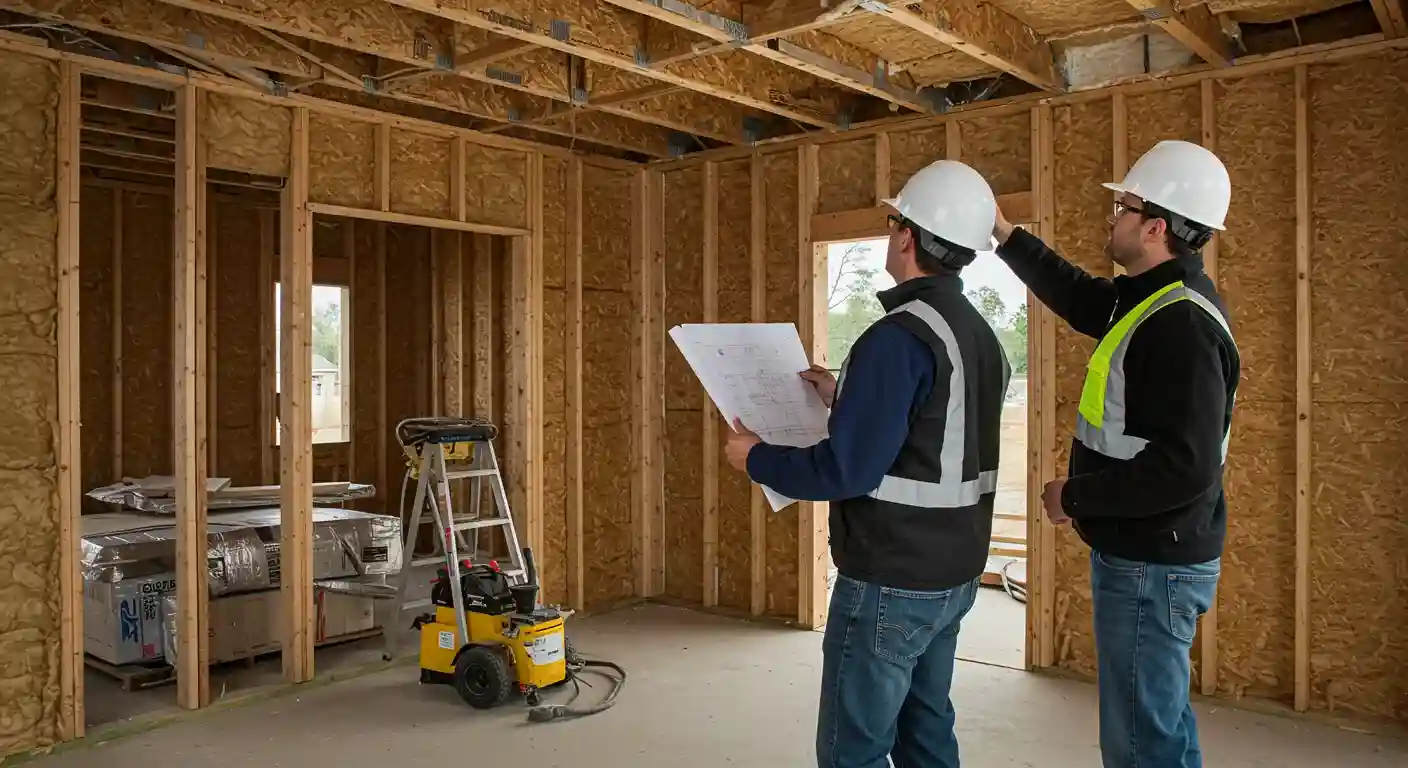
An insulation estimate should reflect the build as it will actually be constructed. That means going past the plan view and into the details — wall assemblies, cavity shapes, access conditions, and material performance requirements. Here is what we cover:
- Full review of construction drawings and wall/roof sections
- Takeoffs broken down by cavity depth, surface shape, and insulation type
- Material quantities per zone with waste factor included
- Labor time forecast based on access difficulty and installation method
- Notes on special areas such as crawl spaces, garages, and attics
- Recommendations based on thermal performance, moisture control, and code compliance
Why Spray Foam Needs Special Attention
Spray foam behaves differently from every other insulation product. It expands on contact, seals small gaps, and adheres to irregular surfaces. That is what makes it useful — and what makes it harder to plan without a proper spray foam insulation cost estimator.
Get the quantity wrong and you either run short mid-job or waste product that cannot be reclaimed. The shape of each cavity, the foam type (open-cell versus closed-cell), and the presence of wiring or ductwork all affect how much material you actually need. Building codes also limit application depth in some areas, and sharp corners can cause uneven coverage if not accounted for in advance.
Each spray foam zone gets measured and reviewed separately before it goes into the final takeoff. That way your supplier delivers the right amount and the crew is not troubleshooting coverage gaps mid-install.
How Our Insulation Estimating Process Works
No two jobs are built the same way. Before any numbers go into the estimate, we read through the full drawing set and walk through the building on paper.
- We start with the complete plan set — wall sections, roof slopes, slab details, and floor layouts
- The structure is divided into zones: walls, ceilings, attics, basements, and crawl spaces
- Each section is measured based on shape, depth, and how the insulation will be installed
- Material selection follows — fiberglass batt, rigid board, spray foam, or blown-in — based on how the space functions
- Spray foam areas are reviewed separately for expansion behavior, code depth limits, and safety spacing
- Labor hours are estimated based on access conditions and installation complexity
- A waste allowance is built in so the job does not run short
The final report is organized by zone and ready to hand off to your supplier or crew.
Types of Insulation We Estimate
Each part of a building performs a different function. Material selection depends on where the insulation goes, what it is exposed to, and what it needs to achieve. We size and specify accordingly:
- Fiberglass batt – Open wall cavities and ceiling assemblies
- Mineral wool – Where fire resistance or sound control is needed
- Rigid board – Below-grade walls, roof decks, and continuous insulation applications
- Spray foam – Tight or irregular cavities, rim joists, and air sealing applications
- Blown-in – Attics, closed cavities, and retrofits where our blow in insulation estimator approach applies
- Vapor barrier – Crawl spaces, basements, and any moisture-sensitive zones
Why Choose ProEstimatrix?
Software alone does not produce a reliable insulation estimate. It still needs someone who understands how buildings are actually built — where the tight spots are, how framing affects cavity size, and which code requirements apply to which zones.
Every estimate we produce is based on your specific drawings, not templates or defaults. Contractors get numbers they can actually use for bidding, purchasing, and scheduling. Project managers get clear breakdowns by area. Crews get details that match what they will find on site.
The estimate fits the build, not just the drawing.
Our Coverage Area
ProEstimatrix supports insulation estimation for projects across the country. We work with new construction, renovation, and commercial insulation estimator needs in California, Texas, Florida, New York, Pennsylvania, Illinois, Ohio, Georgia, North Carolina, and Michigan — as well as other states throughout the US. Wherever the project is, we can prepare the estimate.
Final Thoughts
A complete insulation estimate gives your team control over cost, material ordering, and scheduling. Whether the job uses batts, foam, rigid board, or blown-in, getting the quantities right from the start means fewer delays and less waste. Our reports are built around how the work will actually happen — not how it looks on a simplified plan.
Whether you need a full insulation cost estimator breakdown or a focused spray foam insulation cost estimator for a specific phase, the files we deliver are clear, organized, and ready to use.
Require a Solid Construction Cost Estimate?
Forward your project requirements today and get detailed quantity takeoffs, price assessments, and bid support to submit proposals with assurance.
Frequently Asked Questions
What is insulation estimation in construction?
Insulation estimation is the process of calculating the material, labor, and installation costs needed for insulation work in a building project. It helps contractors and builders plan budgets accurately.
Why is an insulation estimate important before starting a project?
A proper insulation estimate helps avoid material shortages, labor issues, and unexpected expenses during construction. It also improves project planning and bidding accuracy.
How do you calculate insulation costs?
Insulation costs are calculated based on square footage, insulation type, labor rates, material thickness, project location, and installation complexity.
What types of insulation do you estimate?
We estimate fiberglass insulation, spray foam insulation, rigid board insulation, batt insulation, blown-in insulation, and thermal insulation systems.
Do you provide residential insulation estimates?
Yes, we prepare insulation estimates for homes, apartments, basements, garages, and residential remodeling projects.
Can you estimate commercial insulation projects?
Yes, we handle commercial insulation estimation for offices, warehouses, hospitals, schools, and industrial buildings.
How accurate are your insulation estimates?
Our estimates are prepared using project drawings, real material pricing, and current labor costs to provide highly accurate results.
What documents are needed for insulation estimation?
We usually need architectural drawings, insulation specifications, scope details, and project plans to prepare a detailed estimate.
Do you include labor and material costs in the estimate?
Yes, our insulation estimates include material quantities, labor hours, equipment costs, and installation pricing.
How long does it take to complete an insulation estimate?
Most insulation estimates are completed within 24 to 48 hours depending on project size and complexity.
What is the average cost of insulation per square foot?
The average insulation cost varies by insulation type, but most projects range between $1.50 to $7.00 per square foot.
Do insulation estimates help contractors win more bids?
Yes, accurate insulation estimates help contractors submit competitive bids and reduce the risk of underpricing projects.
Can you estimate spray foam insulation separately?
Yes, we provide dedicated spray foam insulation estimates including open-cell and closed-cell foam systems.
Do you offer insulation takeoff services?
Yes, we provide detailed insulation material takeoffs with exact quantity calculations from project drawings.
What factors affect insulation pricing?
Material type, R-value, labor rates, project size, accessibility, climate zone, and installation method all affect insulation costs.
Do you estimate insulation for renovation projects?
Yes, we prepare insulation estimates for remodeling, retrofits, attic upgrades, and renovation work.
Can insulation estimates reduce construction waste?
Yes, accurate quantity takeoffs help reduce overordering, minimize waste, and improve budget control.
What software do you use for insulation estimation?
Professional estimating software and digital takeoff tools are used to ensure precise calculations and reporting.
Do you provide insulation estimating services across the USA?
Yes, insulation estimation services are available for projects throughout the United States.
How can I send my plans for an insulation estimate?
You can upload your drawings, plans, and project details directly through the website or email them for review.
Get a Free Quote
Related Services
Paint Estimation