Civil Construction Cost Estimation for Ground-Up Projects
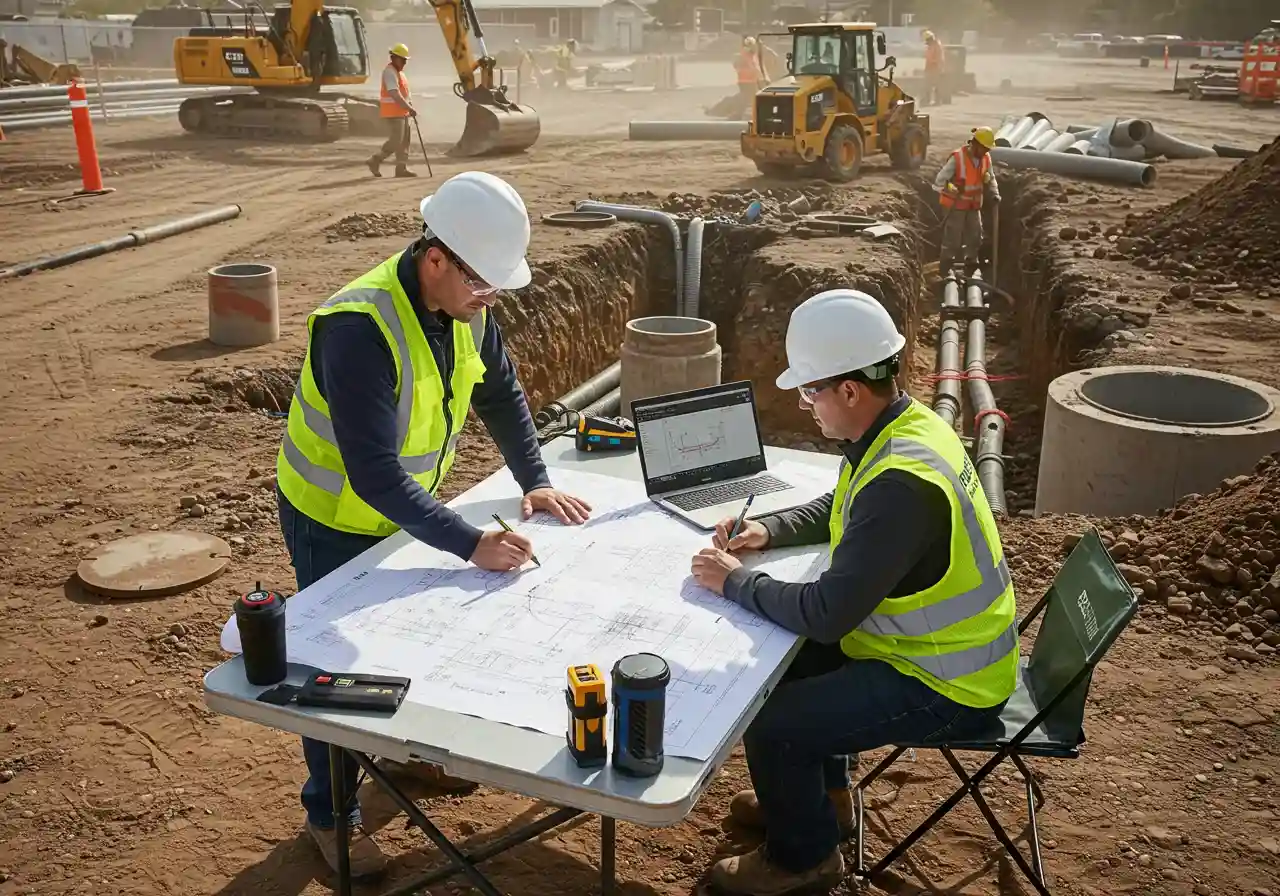
Every job starts down in the dirt. Way before anyone frames a wall, the ground has to be cleared, shaped, and made ready for whatever follows. Civil construction cost estimation is all about that early, unglamorous work — excavation, grading, trenching, drainage systems, and dropping in utilities. Get the numbers wrong here, and you’re basically guessing on the rest of the budget. This stage rarely gets the spotlight the way a finished building does, but it’s where a surprising amount of money is won or lost. Nail the estimate early, and you set a steady tone for the whole job.
No two sites are the same, and soil has a way of keeping you honest. Access roads, rock layers, groundwater, old buried utilities — each one tugs the cost in its own direction. When nobody prices these things up front, the surprises tend to land in the middle of the job, and that’s the worst time to deal with them. Crews are already on site, the clock is running, and fixes get pricey fast. A detailed civil estimate hands your team a clear view before a single piece of equipment shows up. Just as important, it puts owners, GCs, and subs on the same page, so decisions happen faster and with less back-and-forth.
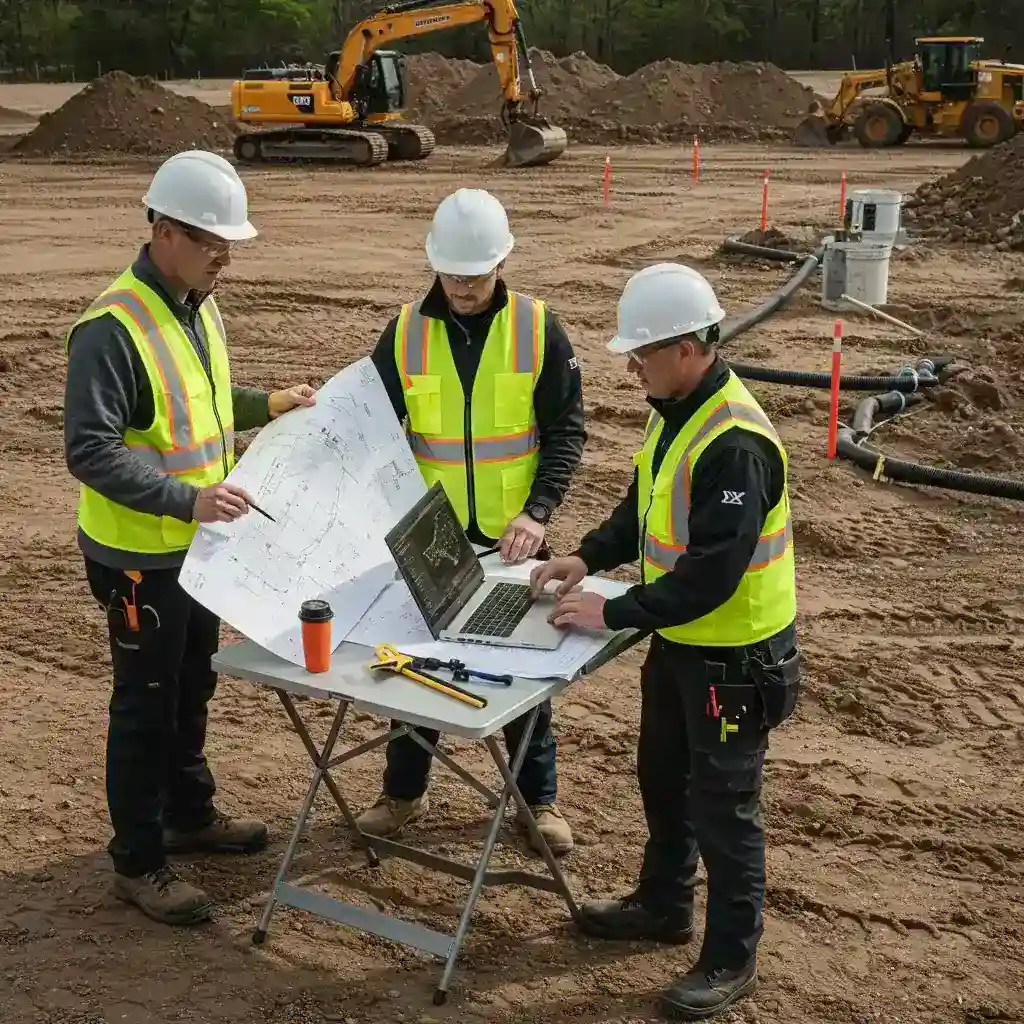
At ProEstimatrix, we build site estimates straight from your drawings, local pricing data, and project specs. We read those plans the way a crew in the field would — hunting for the conditions that actually run up labor and equipment hours. The aim is a full, accurate scope before the first machine rolls in, the kind of number your team can stand behind in a bid or sit with confidently in a budget meeting.
Want an Accurate Construction Quote?
Share your project info today and receive detailed material lists, pricing breakdowns, and proposal support to help you bid successfully.
What Is Sitework and Civil Construction Estimation?
Sitework and civil construction estimation is the work of pricing out everything that happens at the site before and around the building itself. We’re talking earthwork, underground utilities, paving, drainage, and site concrete. The structure literally sits on top of all of it, and that’s exactly why this scope deserves a careful eye. Price the groundwork well, and the rest of the project has solid footing to build from.
One missed trench depth, a cut-and-fill calculation that’s off, or a dewatering requirement nobody flagged can push the schedule back by weeks. These aren’t little throwaway line items, and they almost never fix themselves. On plenty of projects, site costs run anywhere from 15 to 30 percent of the total budget, so even a small slip in the math can snowball into a real overrun. Getting these numbers right early is one of the surest ways to protect what a project actually earns.
Good civil estimating pulls from soil reports, grading plans, utility drawings, and up-to-date local labor and equipment rates. But it takes more than reading paper — you have to understand how real field conditions slow things down or speed them up. A stubborn clay layer, a cramped urban lot, or a long haul to the dump site can move the real cost even when the plan sheet looks ordinary. That practical read is what turns a usable estimate into something better than a rough guess.
Our Civil Construction Estimating Services Include:
ProEstimatrix puts together civil estimates built from your actual plan sets and current regional pricing. Each one is measured and priced line by line, so you can trace exactly where every number comes from. Our civil construction cost estimating services cover the whole spread of work that happens at and below grade.
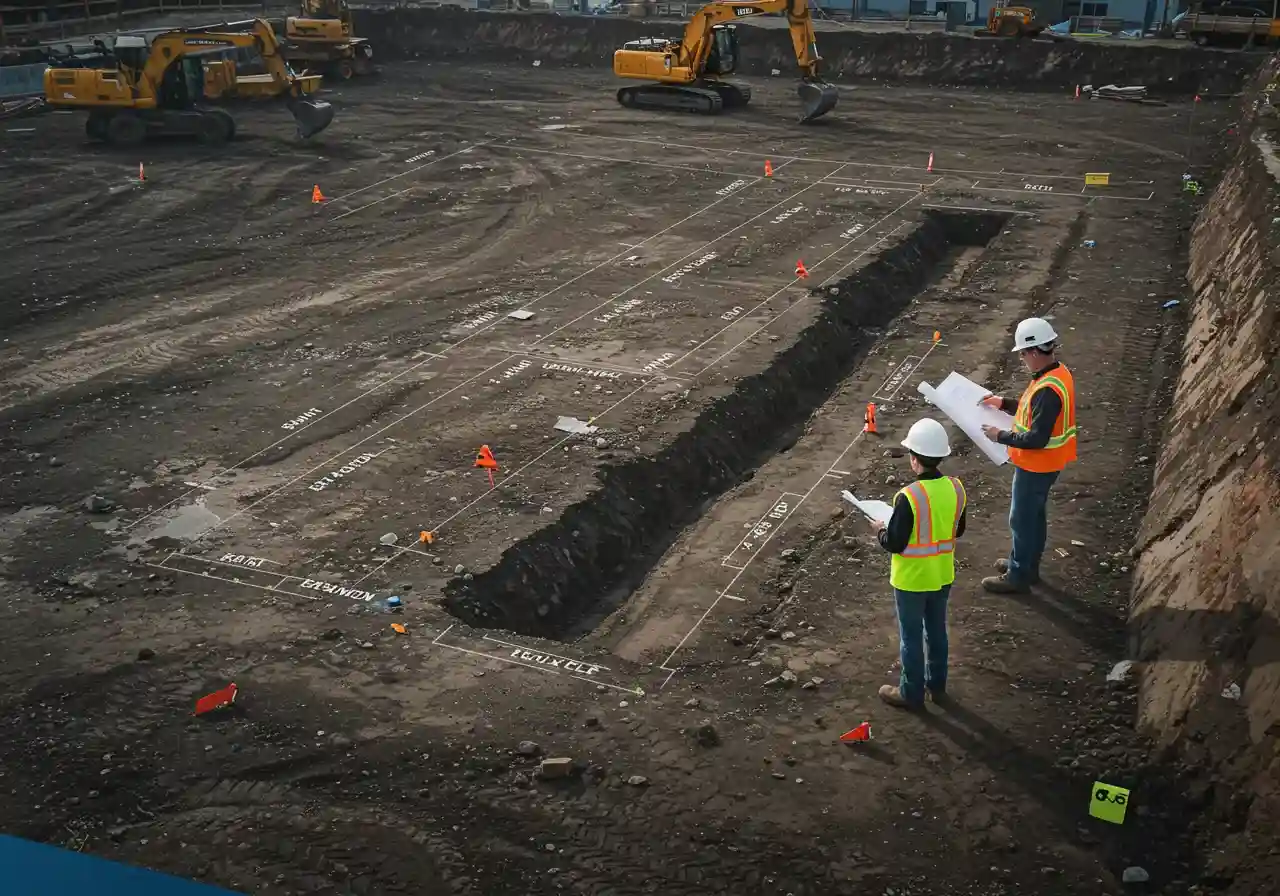
- Earthwork — cut, fill, compaction, and off-haul calculations
- Grading and pad preparation — rough and finish grading for building pads and site areas
- Utility trenching — water, sewer, gas, electric, and telecom
- Stormwater and drainage systems — inlets, pipes, retention, and detention structures
- Site concrete — curbs, gutters, sidewalks, ramps, and equipment pads
- Clearing and demolition — tree removal, existing pavement, and debris
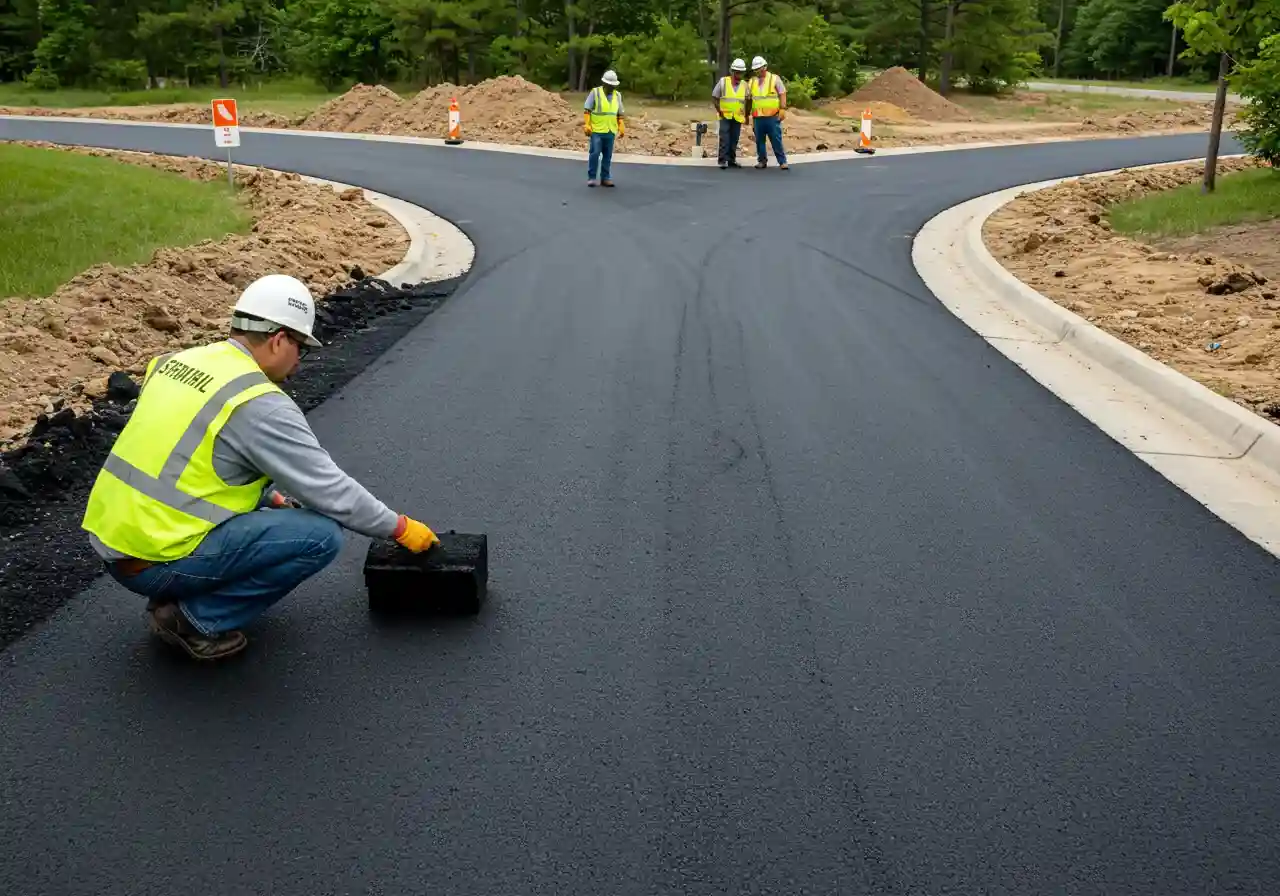
- Site lighting and paving — asphalt, striping, and associated fixtures
Every item gets measured with digital takeoff tools and then double-checked before any pricing goes on. That second pass is what catches the small misses that have a habit of turning into big headaches down the road.
Why Accurate Civil Estimating Matters
Site prep is where a lot of projects bleed money without anyone noticing right away. A bid with loose numbers on the civil scope can look great on paper — right up until the excavator hits something nobody planned for. By then the contract’s signed, the schedule’s locked, and you’re short on options. Accurate civil estimating shuts that gap before it has a chance to open.
Solid civil construction cost estimation protects your margin on every deal you take. It also hands owners a realistic budget for land development calls, which is why developers lean on dependable site numbers long before they break ground. Engineers use civil estimates to check constructability and make sure nothing’s missing from the scope, while municipal clients need the detailed breakdowns to push approvals and funding through. Every one of these roles is counting on numbers that hold up when someone pokes at them.
The deeper a project goes, the more every change ends up costing. A line item caught during estimating costs you next to nothing; the same fix mid-construction can ripple straight through the schedule and the contract. Pricing the civil scope right at the start is just plain cheaper than patching it later in the field.
Our Estimation Process
ProEstimatrix runs the same steady, structured process across all our civil construction cost estimating services. Every project travels the same path, so nothing falls through the cracks — doesn’t matter how big or how tangled the scope is.
1. Project Review
We go through all the plan sheets, soil reports, specs, geotechnical data, and site notes before anyone measures a thing. Mapping out the full scope first is how we see how the pieces fit together. Identifying gaps early means they don’t become costly oversights later.
2. Scope Breakdown
We sort the work by category — earthwork, utilities, drainage, paving, and site concrete — so each trade area gets estimated on its own and stays clear. That structure makes the final report easy to read and easy to act on. It also lets your team pull out any single scope when you’re comparing bids or reworking a budget.
3. Quantity Takeoffs
Material volumes, linear footages, and unit counts all get measured with digital takeoff software. Every number is checked before it moves on to pricing, so the base of the estimate stays solid. Honestly, accurate quantities are where a trustworthy estimate really begins.
4. Cost Application
Labor, material, and equipment costs go on using current local rates — not stale averages from who-knows-when. We tune productivity factors to the project type, the site conditions, and how complex the scope is. This step is built to reflect how the work actually gets done, not just what’s drawn on the plans.
5. Report Creation
Estimates come formatted by CSI division or trade group in whatever file format you like — Excel, PDF, or anything else you ask for. We lay it out so your team can drop the numbers straight into a bid or budget. A clear layout saves real time when the deadline’s breathing down your neck.
6. Final Review
Every estimate gets a final review for scope gaps, pricing accuracy and consistent formatting before it leaves the building. This is where the loose ends get tied off. What you get back is a clean, organized document that’s ready to use right away.
Why Choose ProEstimatrix?
The civil scope is no place for cookie-cutter numbers or unit prices borrowed from some other region. Site costs are tied tightly to where the work happens — local labor markets, soil conditions, what materials you can actually get. A price that pencils out in one state can be way off in the next. We take every project on its own terms.
ProEstimatrix builds each estimate from the actual plan set for that specific job, and we don’t assume our way through anything. Quantities are measured, not eyeballed, and costs come from current regional data instead of last year’s figures. That keeps your numbers grounded in what’s real. It’s the difference between an estimate you can defend and one you’re just hoping holds up.
Plenty of contractors and developers decide to outsource civil construction estimators when their workload spikes or when a knotty scope deserves a second set of eyes. That’s exactly what we do — accurate, structured estimates put together by people who understand how civil work actually gets built and what it really costs. We work like an extension of your team, not some vendor you have to babysit. Each report comes with full labor, material, and equipment breakdowns, organized so your team can put the numbers to work straight away.
Our Clients
Construction pros in all kinds of roles lean on civil construction cost estimating services for different reasons, and each one gets something out of it.
- General contractors submit more competitive bids backed by accurate civil breakdowns
- Subcontractors price trenching, grading, and earthwork scopes with real confidence
- Developers evaluate land deals and pro formas using realistic site budgets
- Engineers verify civil scopes for completeness and constructability
Municipal clients rely on detailed, itemized estimates for permits and public project approvals
Different roles, same thread running through them: reliable numbers that lead to better decisions.
Our Coverage Area
ProEstimatrix takes on sitework and civil construction estimation projects in every U.S. state. We’re active in California, Texas, Florida, New York, Pennsylvania, Illinois, Ohio, Georgia, North Carolina, Michigan, and every other region across the country. Project size never holds us back. The process stays the same whether the site is a quarter acre or several hundred, so you get the same level of detail no matter the scale.
Final Words
Civil work sets the stage for everything else on a project. When the grading’s off or the utility scope is half-baked, those problems don’t stay buried — they keep surfacing all through the build and cost real money to fix. A strong start below grade pays off all the way to closeout.
Solid civil construction cost estimation gives your team a dependable foundation before the first truck ever rolls up. ProEstimatrix measures the real scope, applies current regional pricing, and delivers organized reports built to be used — not filed away and forgotten. Whether you need numbers for a bid, a budget, or a development review, the civil estimate is where good project planning starts. Reach out when you’re ready to price your next site with confidence.
Need a Reliable Construction Estimate?
Submit your project details today and receive accurate material takeoffs, cost estimates, and bid preparation support to help you bid with confidence.
Frequently Asked Questions
What is sitework in civil construction?
Sitework includes all preparation of land before building starts, like grading, excavation, and clearing.
What services are included in sitework construction?
It includes excavation, land clearing, grading, drainage, utility installation, and soil compaction.
Why is site preparation important before construction?
It ensures a stable foundation and prevents future structural or drainage problems.
How long does sitework take on a construction project?
It usually takes a few days to several weeks depending on land size and complexity.
What is excavation in sitework?
Excavation is the process of digging and removing soil to prepare for foundations or utilities.
What is grading in civil construction?
Grading is leveling or shaping land to ensure proper drainage and a strong base.
How much does sitework cost on average?
Cost depends on land size, soil type, and project scope, so estimates vary per site.
What equipment is used in sitework projects?
Common equipment includes excavators, bulldozers, loaders, graders, and compactors.
What is land clearing in construction?
Land clearing removes trees, rocks, and debris to prepare the site for building.
Do I need permits for sitework construction?
Yes, most civil construction projects require local permits before starting work.
What is utility installation in sitework?
It involves installing underground water, sewer, gas, and electrical lines.
What is stormwater management in sitework?
It controls rainwater flow to prevent flooding and soil erosion on the site.
What is rough grading vs fine grading?
Rough grading shapes the land initially, while fine grading creates final precise leveling.
How do you estimate sitework costs?
Costs are estimated based on soil condition, excavation volume, labor, and materials.
What factors affect sitework pricing?
Soil type, land slope, access to site, and project size all impact cost.
Can sitework be done in bad weather?
Severe weather can delay sitework due to safety and soil stability issues.
What is soil compaction in construction?
It is the process of compressing soil to increase strength and stability.
Who handles sitework in a construction project?
Civil contractors or sitework contractors are responsible for all ground preparation.
What is the first step in civil construction sitework?
The first step is land surveying and site inspection before any digging begins.
Why hire a professional sitework contractor?
Professionals ensure safety, accuracy, proper grading, and compliance with regulations.
Get a Free Quote
Related Services
Excavation Estimating
Landscape Estimating
Paving & Civil Construction Estimates