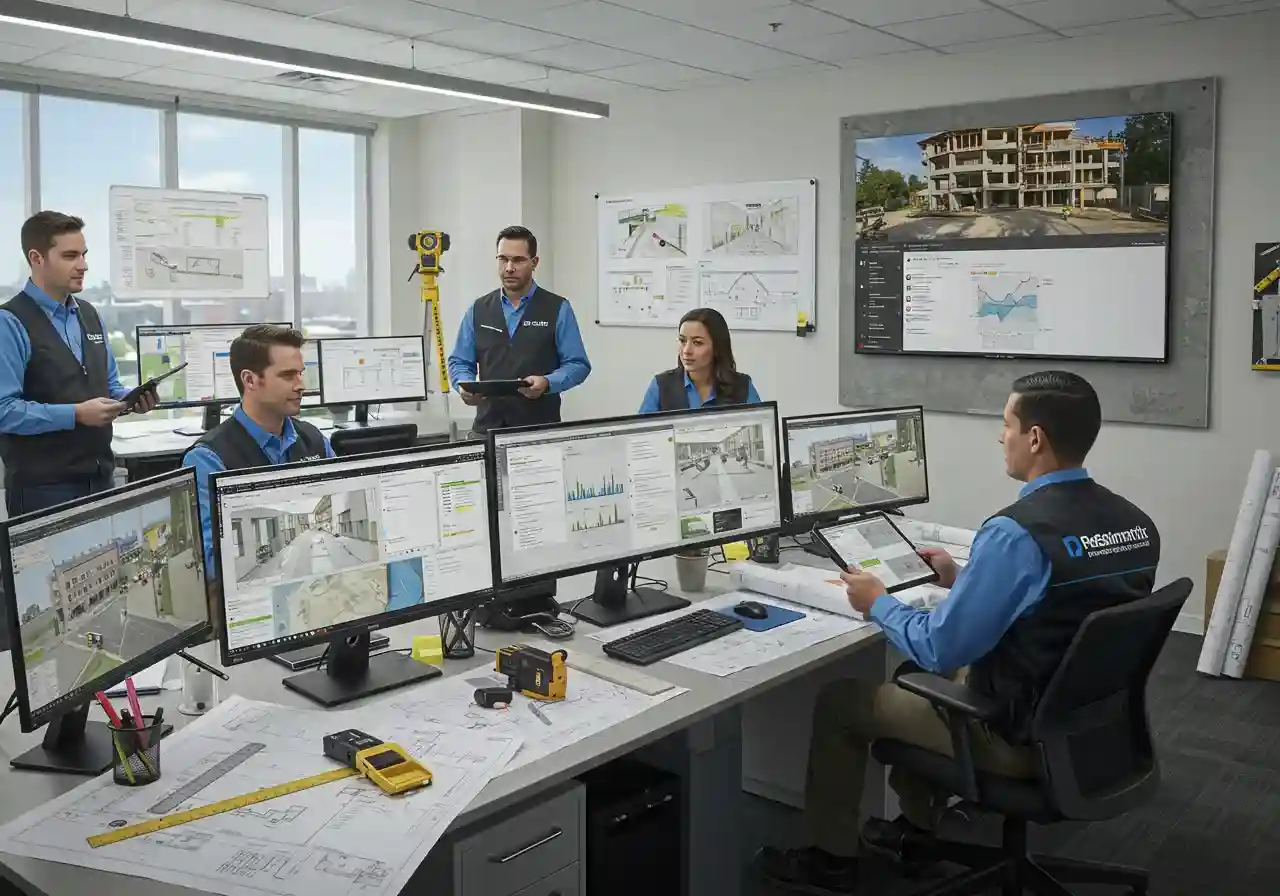
Concrete Price Estimator — Detailed Takeoffs, Real Numbers
Before a single yard of concrete gets ordered, the numbers need to hold up. A concrete price estimator isn’t just about knowing the cost per yard — it’s about reading the full scope, measuring every element, and making sure nothing gets missed before you’re locked into a bid or a contract. That’s what we do at ProEstimatrix. We prepare concrete estimates for contractors, builders, developers, and project managers who need accurate, defensible numbers at every stage of the project.
Bad concrete estimates create downstream problems. Shortages shut down pours. Overorders drain contingency. Submitting a bid without a real takeoff is how projects go sideways before work even starts. Our concrete cost estimator process starts with your actual drawings and specifications — not rule-of-thumb multipliers — and builds out from there.
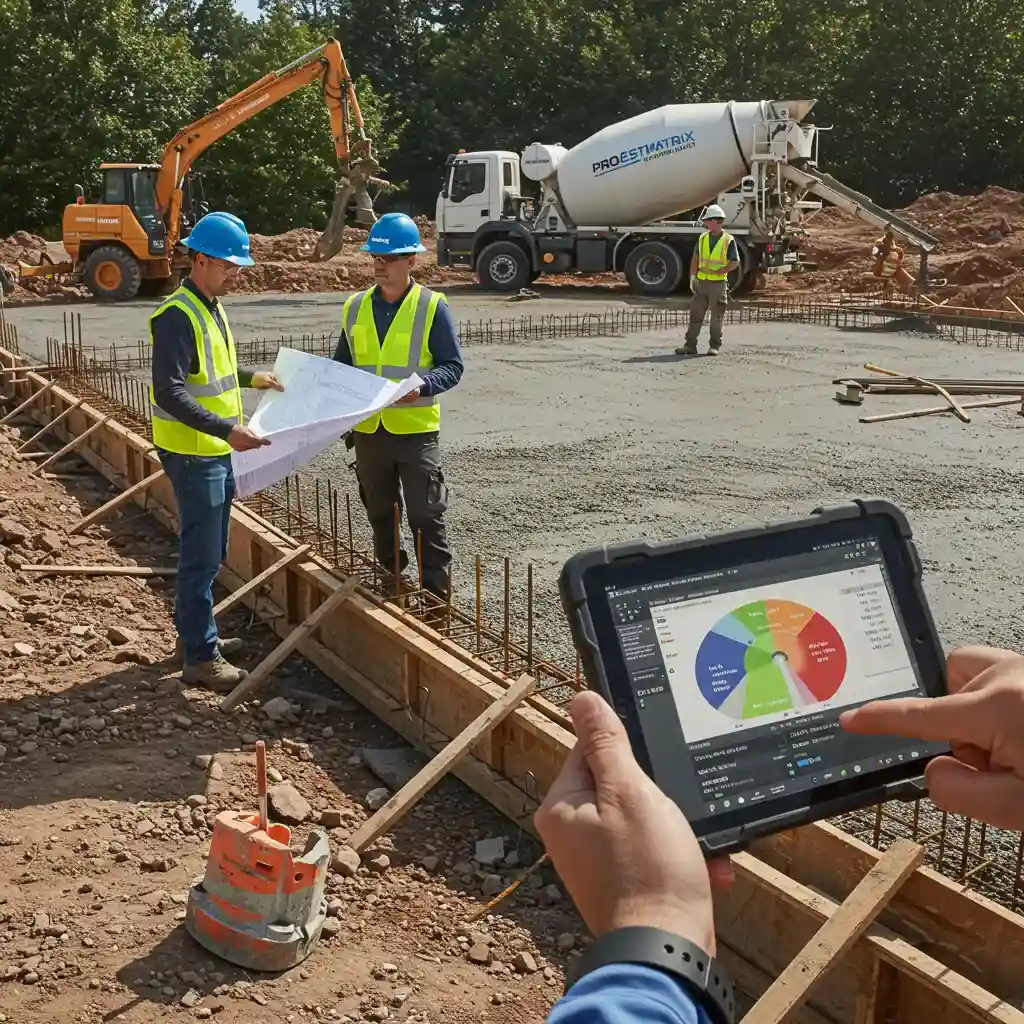
Need a Reliable Construction Estimate?
Submit your project details today and receive accurate material takeoffs, cost estimates, and bid preparation support to help you bid with confidence.
Our Estimating Method
The process starts with the drawings. Structural plans, civil sheets, foundation details, and project specifications all get reviewed before any quantities are calculated. We’re looking at footing sizes, slab thicknesses, wall heights, column dimensions, concrete mix designations, and reinforcing requirements. Edge conditions, thickened slab zones, wall intersections, and construction joint locations all get accounted for separately — because those are the spots where estimates built on simple length-times-width math fall apart.
Cubic yard calculations are run element by element. Footings aren’t lumped with foundation walls. Slabs on grade are separated from elevated decks. That level of detail matters when you’re managing budget against scope or trying to price a change in isolation.
Site conditions get evaluated alongside the quantities. A pump truck that has to set up offsite and extend a boom 150 feet costs more than one that can position directly at the pour. If the project specification calls for a particular admixture or high-strength mix, that gets priced using actual supplier quotes rather than a generic add-on rate. Labor hours are calculated using production data appropriate for the work type — slab finishing on a 20,000-square-foot floor pours differently than column forming on a tight structural frame. When you need to estimate concrete cost accurately, that distinction matters.
What We Estimate in Concrete Work
The full range of concrete construction scopes falls within what our concrete price estimator covers:
Concrete foundations, spread footings, grade beams, and pile caps
Slabs on grade, concrete flooring systems, and elevated post-tensioned decks
Foundation walls, shear walls, retaining walls, and columns
Precast concrete panels, tilt-up construction, and architectural precast elements
Site concrete including sidewalks, curbs, driveways, ramps, and stairs
Each item is estimated independently. A concrete slab cost estimator for a warehouse floor needs to capture the slab thickness, reinforcing layout, joint spacing, pour sequence, and finish specification — not just the square footage. A concrete patio price estimate for a residential project involves different forming, access conditions, and finish work than a commercial slab. Both get the same level of detail.
For precast concrete building cost estimator work, we review shop drawings and structural connection details alongside the architectural drawings. Grout pockets, hardware, edge conditions, and erection sequencing all carry cost — and they all get included.
Why Accurate Concrete Estimates Matter
Concrete is usually among the first trades on the ground. What happens with the concrete sets the schedule for everything after it. If the foundation estimate is short, the subcontractor has a problem. If the GC’s concrete allowance was built on a rough number, the budget takes a hit before the framing crew shows up.
Getting concrete takeoffs right isn’t just about pricing the work — it’s about understanding the sequence. Pour schedule, form strip times, curing requirements, and slab readiness for subsequent trades are all factors that an estimate needs to reflect. A good concrete estimate tells you what materials are needed, when they need to be on site, and how the work will actually move.
Every estimate we put together covers the full scope: excavation and site prep where applicable, forming, reinforcing steel placement, concrete placement and consolidation, finishing, curing, form stripping, and cleanup. Equipment gets itemized — pump trucks, boom placers, laser screeds, power trowels, vibrators — based on the pour conditions and specification requirements. Nothing gets buried in a miscellaneous line.
That kind of detail supports real procurement planning. You can go to suppliers with actual quantities, get competitive quotes, and make informed decisions before the job starts rather than during it.
Who Uses Our Estimates
Concrete subcontractors are the most common users — they need accurate scopes to price GC bid invitations without eating into margin or leaving scope gaps. General contractors use our concrete estimates to verify sub quotes, build owner GMP budgets, and support value engineering discussions. Developers often want early concrete cost data to compare slab system options or evaluate foundation alternatives before structural drawings are fully developed — typically during design development.
Project managers use line-item concrete estimates to set cost codes, track actuals against budget and manage procurement timelines. Owners reviewing multiple bids sometimes need an independent estimate to make sense of the spread between numbers. Engineers working through value engineering exercises need quantity data to compare structural alternatives fairly.
Whether it’s a concrete floor cost estimator for a tilt-up distribution center or a full structural concrete estimate for a cast-in-place parking structure, the approach is the same — read the drawings, measure the quantities, apply current pricing, and deliver a number you can use.
Items That Affect Concrete Costs
Concrete costs vary widely across projects, and the differences come from real, measurable factors:
Mix design — Compressive strength, water-cement ratio, admixtures, fiber reinforcement, and specialty mixes for freeze-thaw or chemical exposure all affect material cost
Reinforcing steel — Rebar size, grade, spacing, lap splice length, and placement complexity drive both material quantities and labor hours
Formwork — Wall forming systems, column forms, slab edge forming, shoring design, and reuse assumptions significantly affect cost per formed square foot
Pour logistics — Pump access, pump type, pour size, continuous pour requirements, and haul distance from the batch plant all carry cost
Finish requirements — Broom finish, power-trowel burnish, floor flatness tolerances, saw-cut jointing, and sealing or coating add labor and materials that vary considerably by specification
Reading the project specifications carefully changes the estimate. A spec calling for a Superflat floor tolerance on a high-rack warehouse slab requires a different pour crew, different equipment, and a different labor budget than a standard industrial slab finish. That detail doesn’t show up in a square-foot average, which is why a concrete price estimator built on real takeoffs matters.
What We Include in Our Concrete Estimates
Every concrete cost estimator we prepare includes full breakdowns for materials, labor, and equipment. You will find these three main points in every report:
- Labor hours matched to task type and project size
- Formwork, rebar, mix type, and pour method
- Equipment like pumps, boom lifts, and finishing tools
Each section is grouped by trade scope. This helps track cost per area and makes it easy to plan each work phase.
What We Include in Our Concrete Cost Estimator Reports
Every report includes full breakdowns organized by work type:
Material quantities — Concrete volumes in cubic yards by element, reinforcing steel by weight, formwork materials, hardware, vapor barriers, curing compounds, and jointing materials
Labor costs — Hours by task, using production rates matched to the actual scope and site conditions, priced at local labor rates
Equipment — Pump trucks, cranes, finishing equipment, shoring systems, and specialty items listed individually with associated costs
Subcontracted items — Concrete testing, survey and layout, or specialty subcontracted work called out separately to keep scope boundaries clear
That structure makes bid preparation straightforward. You can see the breakdown, identify where assumptions were made, and compare against subcontractor proposals line by line.
Why Choose ProEstimatrix as Your Concrete Price Estimator
Every estimate gets built from your drawings, not from a database lookup or a price-per-square-foot range. Structural plans are reviewed page by page. Specifications are read, not skimmed. Quantities come from actual dimension measurements — slab areas, wall heights, footing depths, column perimeters — checked against plan details and section views to catch what simple plan-view takeoffs miss.
Estimates are organized by concrete elements so cost tracking is straightforward. Foundation work is separated from slab work. Site concrete is broken out from structural concrete. When scope changes happen — and they usually do — you can isolate the cost impact without reverse-engineering a lump-sum number.
Procurement planning is easier when the quantities are right. You can go to ready-mix suppliers with accurate pour schedules and volumes, get meaningful quotes, and plan deliveries around the pour sequence rather than guessing on truck counts the morning of the pour.
Using a concrete price estimator built on real takeoffs and current material pricing means fewer surprises during construction. Change orders shrink. Budget conversations with owners get easier. Bids go out with the kind of confidence that comes from knowing what’s actually in the scope. The same care goes into every concrete cost estimator report we produce.
Send us your drawings and project specifications. We’ll prepare a detailed concrete price estimator report scoped to your project and ready to support your bid or budget.
Need a Reliable Construction Estimate?
Submit your project details today and receive accurate material takeoffs, cost estimates, and bid preparation support to help you bid with confidence.
Frequently Asked Questions
What is a concrete price estimator?
A concrete price estimator helps calculate the cost of concrete work before construction starts.
How do you estimate concrete costs?
Concrete costs are estimated using material quantities, labor rates, equipment, and project size.
What factors affect concrete pricing?
Concrete mix, slab thickness, reinforcement, labor, and site conditions affect pricing.
How much does concrete cost per square foot?
Concrete cost per square foot depends on the project type, finish, and local labor rates.
Can I estimate concrete for residential projects?
Yes, concrete estimates are available for homes, driveways, patios, and foundations.
Do concrete estimates include labor costs?
Yes, labor costs are included in professional concrete estimates.
What types of concrete work can be estimated?
Slabs, foundations, sidewalks, walls, stairs, and driveways can all be estimated.
Why is accurate concrete estimation important?
Accurate estimates help avoid delays, material waste, and budget overruns.
Does a concrete estimate include material takeoff?
Yes, material takeoffs are included to calculate exact concrete quantities.
How long does it take to prepare a concrete estimate?
Most concrete estimates are prepared within a short turnaround time depending on project size.
Can contractors use concrete estimates for bidding?
Yes, contractors use concrete estimates to prepare competitive bids.
What information is needed for a concrete estimate?
Project drawings, dimensions, and specifications are usually required.
Are rebar and formwork included in estimates?
Yes, rebar, formwork, and finishing costs are included.
Do weather conditions affect concrete pricing?
Yes, weather and site access can increase labor and equipment costs.
Can you estimate commercial concrete projects?
Yes, estimates are available for residential, commercial, and industrial projects.
What is included in a concrete cost breakdown?
A concrete cost breakdown includes labor, materials, equipment, and overhead costs.
How do concrete estimators reduce construction waste?
They calculate accurate quantities to prevent overordering materials.
Is concrete estimation useful for budgeting?
Yes, it helps builders and owners plan project budgets more accurately.
Can I get a concrete estimate before construction starts?
Yes, estimates are prepared during the planning and bidding stages.
Why choose ProEstimatrix for concrete estimating?
ProEstimatrix provides detailed estimates using real project data and current market pricing.
Get a Free Quote
Related Services
Roofing Estimation
Drywall Estimation
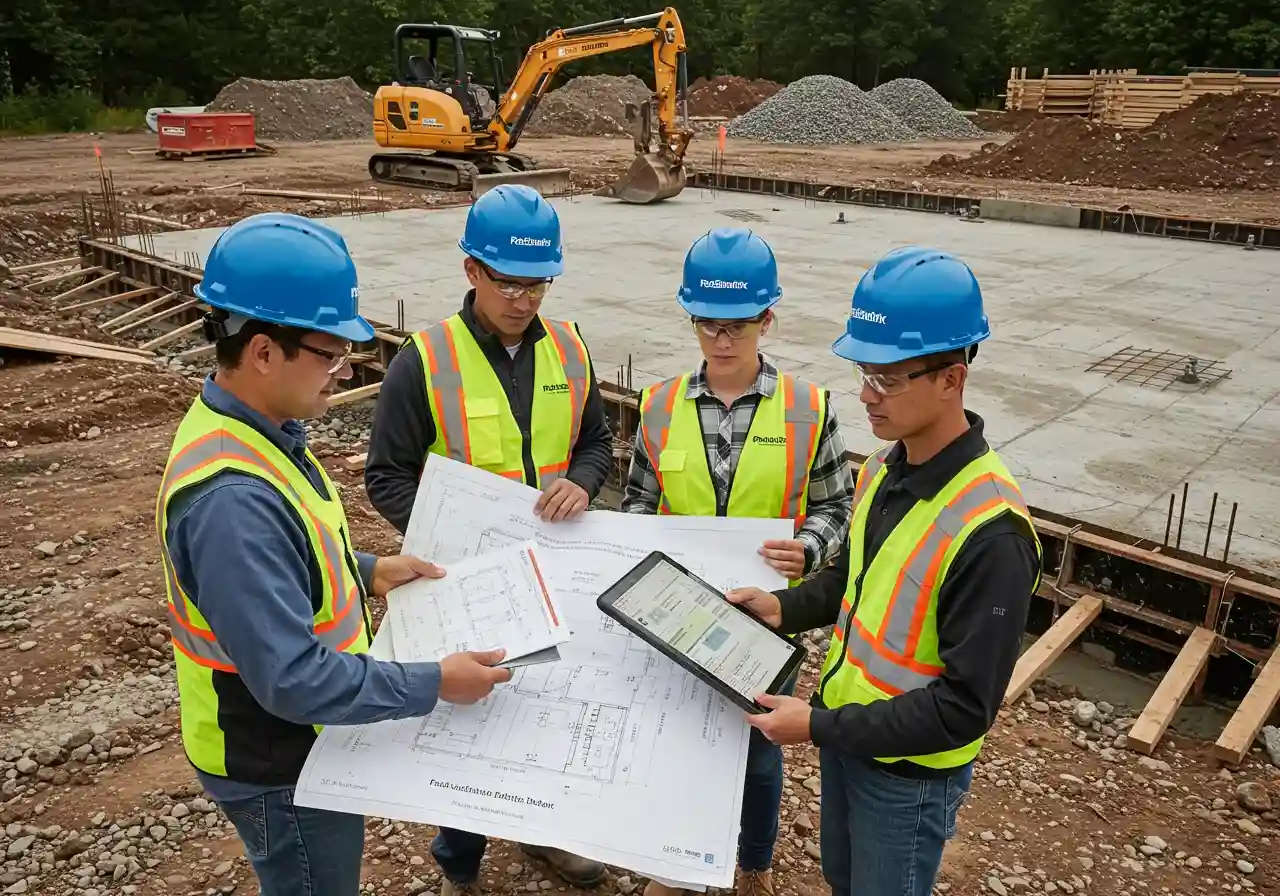
Foundation Estimation
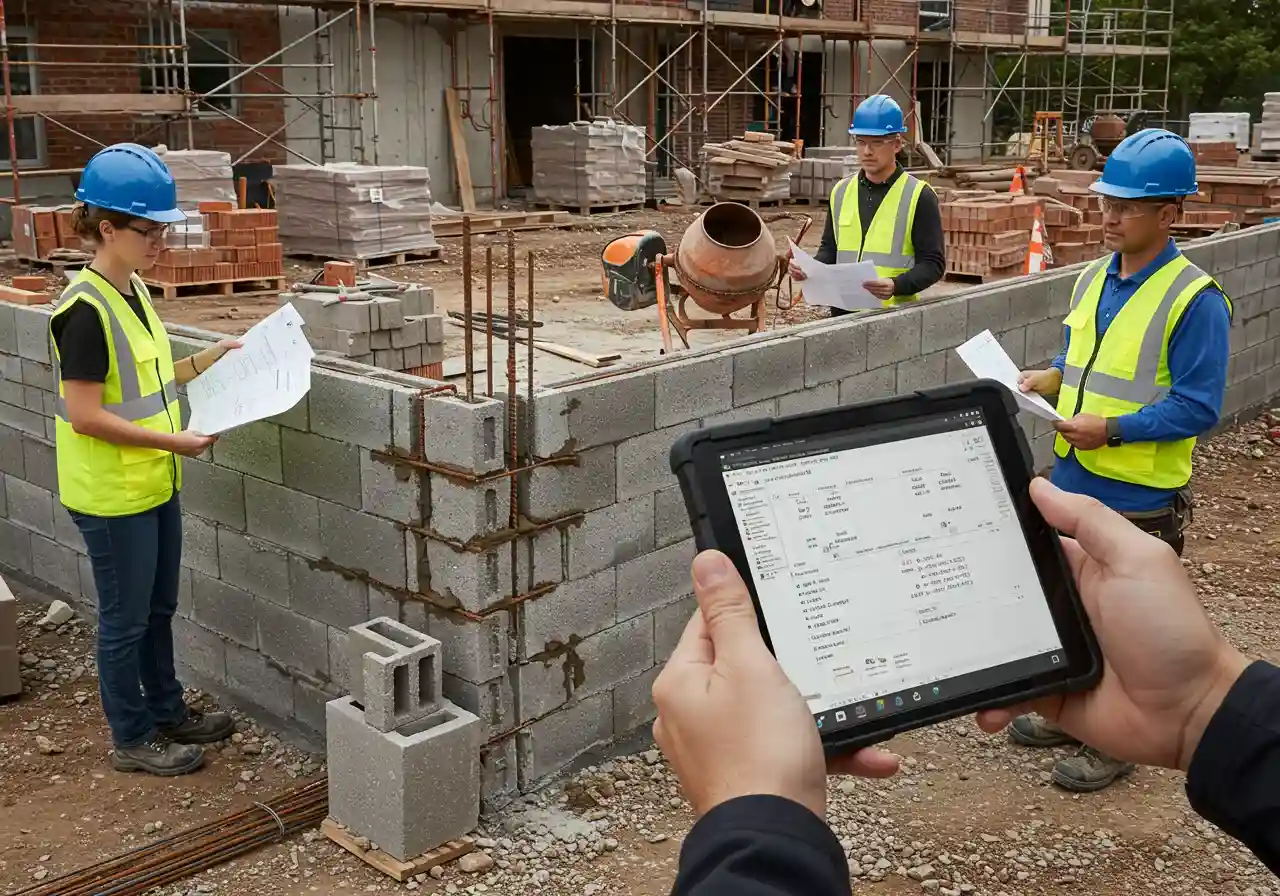
Masonary Estimation