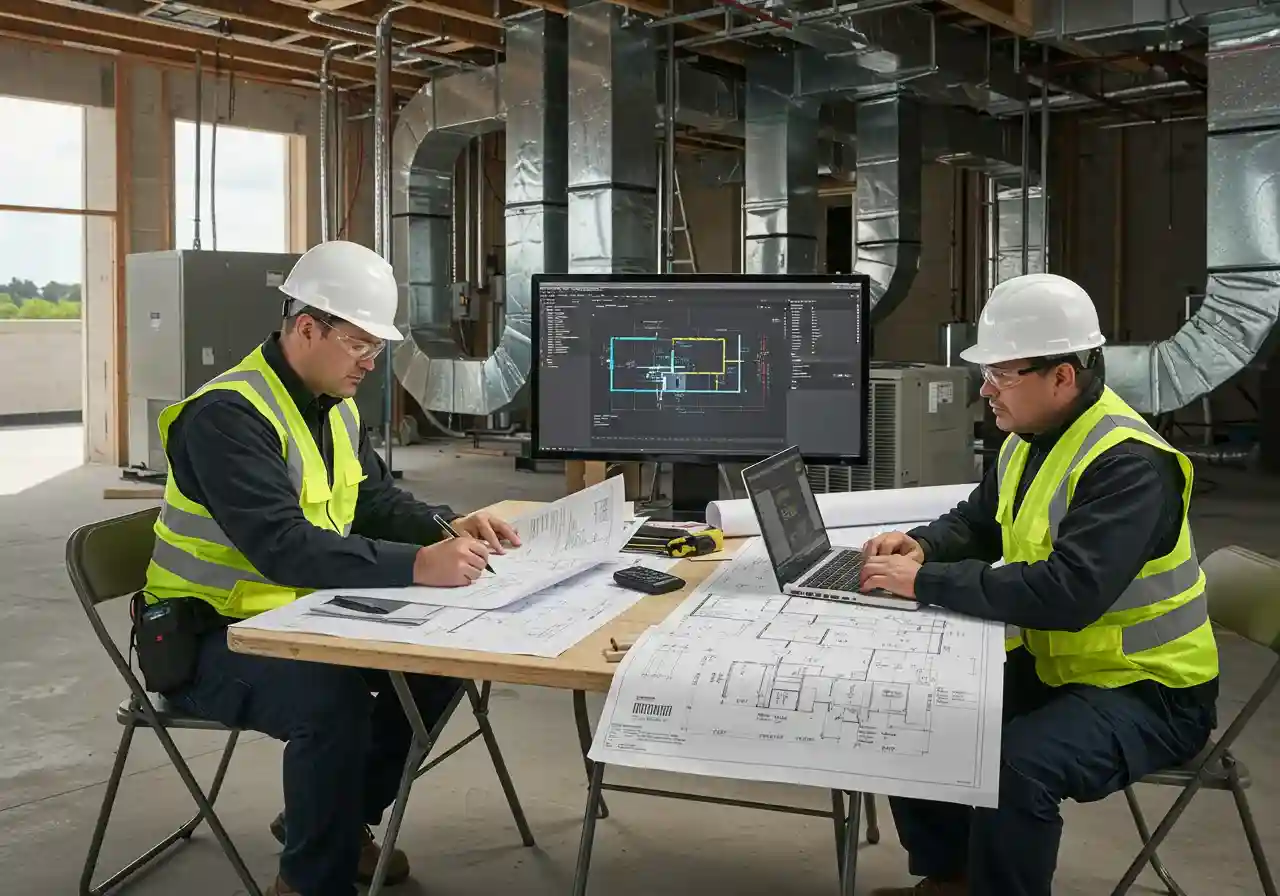
Precise Material Takeoffs & Cost Analysis for MEP Systems
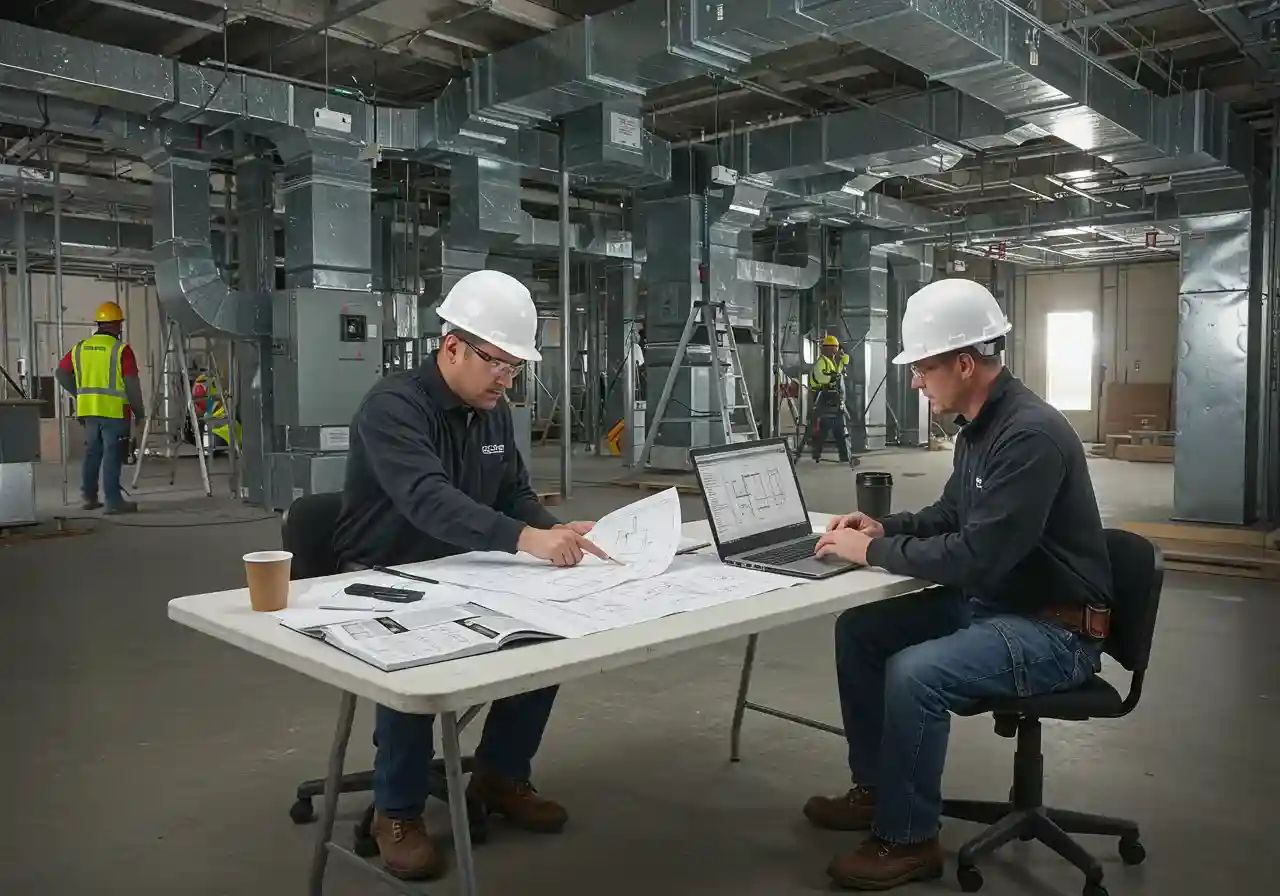
Mechanical, electrical, and plumbing systems quietly drive some of the biggest budget surprises in construction. MEP estimating services exist to prevent exactly that. These three trades can account for nearly half of a building’s total cost, yet they’re routinely underexamined until bid day is already close. At ProEstimatrix, the process starts with a thorough review of every drawing set — ductwork configurations, pipe routing, circuit schedules, and equipment placements — cross-referenced against current regional pricing.
Small items are where estimates unravel. Fittings, fasteners, support brackets, and insulation don’t make headlines, but they show up on every invoice. Getting them into the count from the beginning keeps the estimate honest. Trade coordination conflicts are also reviewed at the drawing stage, well before a clash becomes a field problem that generates change orders and delays. The final report separates each system by trade, so quantities, labor requirements, and cost breakdowns stay clear and usable.
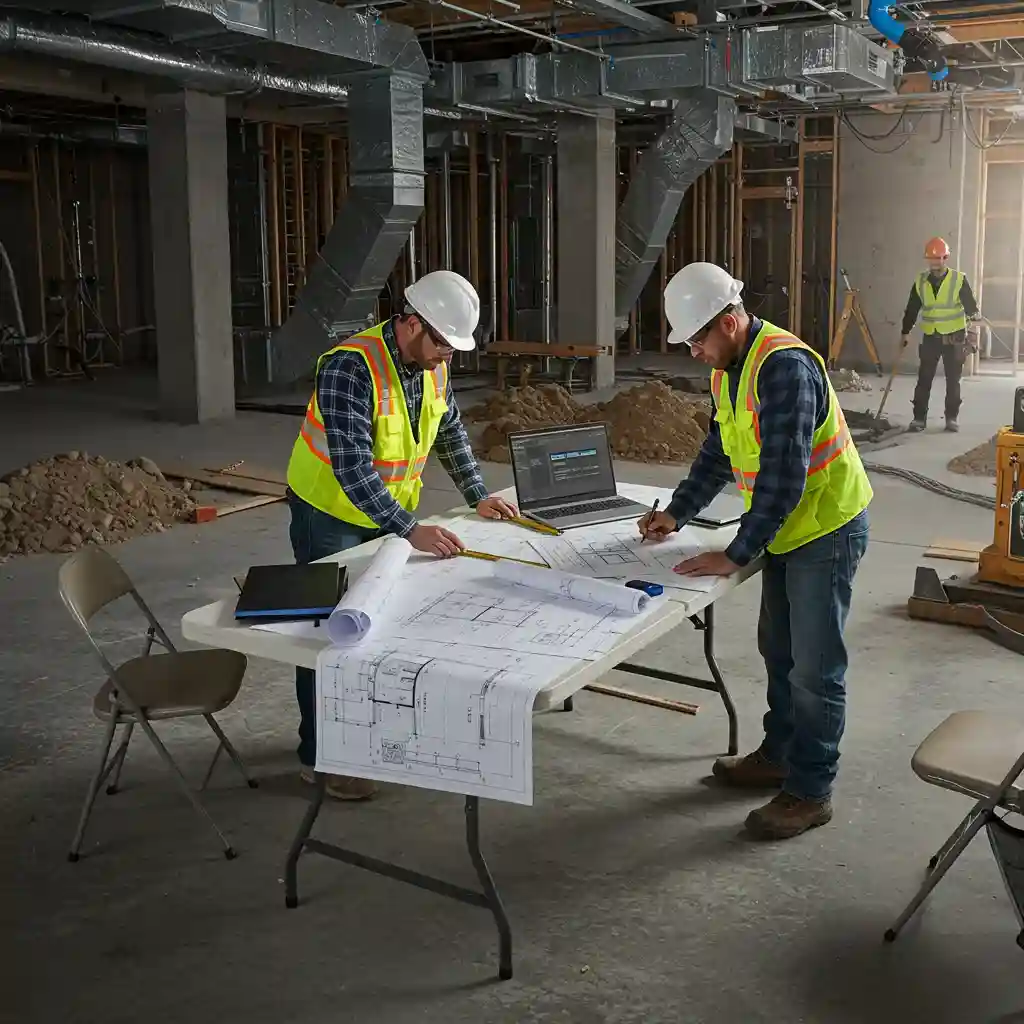
Need a Reliable Construction Estimate?
Submit your project details today and receive accurate material takeoffs, cost estimates, and bid preparation support to help you bid with confidence.
Purpose of MEP Estimating Services
Take away the building systems and you’re left with an empty structure. HVAC manages the environment, plumbing supports daily operations, and electrical runs everything from lighting to equipment. When these systems don’t get a proper cost review before work begins, the consequences tend to stack — missed materials, compressed schedules, and budget adjustments that should have happened months earlier.
MEP cost estimating gives contractors and project owners real numbers to work with—not placeholders. Those numbers shape how subcontractors get scoped, how procurement timelines get built, and how competitive a bid can realistically be. Equipment decisions and code compliance reviews also benefit from accurate pricing before selections are finalized. Getting that clarity early leaves room to adjust — scope, phasing, materials — before adjustments become costly.
What We Include in MEP Cost Estimating
MEP cost estimating means reading the design fully, not scanning for obvious line items. Systems in a building share space, interact with each other, and react to changes elsewhere in the plan. Move a duct connection on one floor and static pressure changes throughout the system. Shift a panel location and conduit runs change across the entire electrical scope. That kind of ripple effect only gets caught when someone actually works through the drawings.
Each estimate includes:
- HVAC equipment, duct sizing, distribution hardware, VAV components, and diffusers
- Electrical panels, circuit wiring, conduit, cable trays, breakers, and lighting
- Plumbing supply lines, drain and vent stacks, and fixture rough-in
- Mechanical room equipment — pumps, chillers, boilers, water heaters, and heat exchangers
- Insulation covering both thermal control and acoustic performance
- Fittings, couplings, hangers, supports, and the miscellaneous hardware that routinely disappears from rough estimates
Pricing reflects current regional market conditions rather than generic flat rates. The gap between a quote based on last year’s data and one built on current pricing can be significant, especially when material costs have shifted between scope review and bid submission.
How MEP Cost Estimation Saves Time and Money
An estimate that arrives late doesn’t just affect the budget number — it affects the entire build sequence. Plumbing rough-in starts before duct routing is confirmed, and field crews end up fighting for the same ceiling space. Pipe chases get framed in the wrong location. Conduit gets run through a zone the mechanical contractor needs. Every one of those conflicts burns labor hours and pushes every downstream trade further behind.
A solid MEP cost estimating package reviewed early in the project catches most of those issues before they become field problems:
- Trade conflict detection: Duct, pipe, and conduit paths are reviewed at the drawing stage, where corrections cost time on paper rather than money in the field
- Realistic budget numbers: Pricing comes from current data, not estimates padded to cover uncertainty
- Substitution comparisons: When the spec allows alternatives, the estimate shows the actual cost difference so the decision is based on numbers
- Subcontractor sequencing: Accurate quantities make it possible to schedule MEP phases without stacking trades or creating workflow gaps
- Procurement timing: Long-lead equipment gets identified early so purchase orders go in before delivery windows close
The point is to have reliable numbers before commitments are locked in — not after surprises have already started showing up.
Our MEP process
Each project gets its own review. A surgical center and a mid-rise apartment building both need MEP estimates, but the scope, system complexity, and code requirements are completely different. Applying a previous project’s numbers to a new one, then adjusting for size, produces estimates that fall apart as soon as detailed drawings come in.
The process runs the same path for every project:
- Review the full drawing set — architectural, mechanical, electrical, and plumbing
- Trace pipe routes, duct configurations, and circuit paths directly from the plans
- Measure every system to actual plan scale with no rounding or assumed standard dimensions
- Document areas where multiple trades share ceiling cavities, wall chases, or mechanical rooms
- Select materials and fittings based on the project specification requirements
- Verify item counts against equipment schedules and system design criteria
- Calculate installation labor by trade, accounting for access and installation conditions
- Compile all results into a structured, line-item report organized by system and trade
The deliverable is a working document — organized, specific, and built around your actual project — not a ballpark range.
Projects That Need MEP Cost Estimator the Most
MEP systems drive the function of certain building types more than others. On those projects, an incomplete or rough estimate isn’t just a financial risk — it can affect operational readiness, safety compliance, and the ability to finish on schedule.
Project types where a qualified MEP cost estimator makes a measurable difference:
- Hospitals and medical facilities — Pressurization requirements, medical gas lines, redundant electrical systems, and infection control protocols add cost layers a standard template won’t capture
- Schools and training centers — High-occupancy ventilation requirements, science lab plumbing, large electrical distribution, and gym HVAC create scopes that vary significantly building to building
- Retail and grocery — Refrigeration systems, high-density lighting, floor drain networks, and tenant-specific mechanical requirements need to be priced per location, not averaged
- Multi-family residential — Stacked kitchens and bathrooms across multiple floors require coordinated supply, drain, and vent layouts to avoid rough-in conflicts during framing
- Office with significant electrical demand — Server rooms, emergency backup systems, elevator infrastructure, and layered panel schedules push electrical costs well past standard office estimates
On projects like these, an underbid or missed scope item doesn’t stay contained. It tends to affect construction timelines, system performance, and in some situations, occupant safety.
Our Coverage Area
ProEstimatrix handles MEP estimating services for construction teams throughout the United States. Contractors, developers, and specialty subcontractors working in California, Texas, Florida, New York, Pennsylvania, Illinois, Ohio, Georgia, North Carolina, and Michigan turn to us regularly — along with teams in many other states. Estimates are priced based on actual project location, so regional labor rates and local material costs are factored in rather than averaged out. Whether you’re bidding a single building or tracking system costs across several active projects, the numbers reflect where the work is happening.
How ProEstimatrix Supports Your Work
The most common cause of estimating problems isn’t a lack of knowledge — it’s a lack of time. A bid goes out in two days, the MEP drawings just arrived, and there’s no realistic path to a proper takeoff on that timeline. So the number gets padded, or it gets guessed. Neither option holds up well when it’s time to buy materials or manage a subcontractor.
Specialized MEP estimating services address that gap directly. With a complete, drawing-based estimate in hand, your team can:
- Separate mechanical, electrical, and plumbing costs as distinct budget line items rather than a combined allowance
- Track labor and material totals by floor, system type, or project phase
- Build a schedule that reflects actual MEP installation sequences rather than generic milestones
- Prevent procurement errors that trace back to vague quantities or incomplete scope documents
Every report is built from measured plan takeoffs and current pricing data. General contractors use them to write tighter subcontractor scopes. Specialty subs use them to sharpen bid numbers and reduce financial exposure. Developers use them to pressure-test budgets before funding commitments are made.
Conclusion
MEP cost estimation is detail-intensive work. These three systems don’t operate independently — changes in one trade affect clearances, sequencing, and costs in the others. Pricing them accurately means understanding those connections from the start, not reviewing each discipline in isolation and hoping the totals stay within range.
Every estimate ProEstimatrix delivers is built around your actual drawings, your specific project type, and current regional pricing. Whether the job is a medical office building in Georgia, a grocery store in Texas, or a multi-family development in New York, the estimate covers labor, materials, equipment, and the incidental items that consistently fall through the cracks of rough counts. Contractors, developers, and subcontractors across the country rely on these reports to bid more accurately, manage costs more effectively, and get through construction with fewer financial surprises.
Want an Accurate Construction Quote?
Share your project info today and receive detailed material lists, pricing breakdowns, and proposal support to help you bid successfully.
Frequently Asked Questions
What does MEP stand for?
MEP stands for Mechanical, Electrical, and Plumbing systems.
Why is MEP estimation important?
It helps control construction costs and prevent project delays.
What is included in MEP takeoff services?
Material quantities, labor costs, equipment, and system pricing.
Who uses MEP estimating services?
Contractors, builders, engineers, and developers.
What software do MEP estimators use?
Bluebeam, PlanSwift, RSMeans, and Trimble Accubid.
How long does an MEP estimate take?
Usually between 24 to 72 hours.
What is HVAC estimating?
It calculates HVAC material and installation costs.
What is electrical estimation?
It estimates wiring, panels, lighting, and labor costs.
What is plumbing estimating?
It calculates plumbing material and installation expenses.
Can MEP estimates reduce project costs?
Yes, accurate estimates reduce waste and unexpected expenses.
Do MEP estimates help with bidding?
Yes, they help contractors submit competitive bids.
What projects need MEP estimation?
Residential, commercial, and industrial projects.
What are MEP quantity takeoffs?
They measure materials required for installation.
Why outsource MEP estimating?
It saves time and improves estimate accuracy.
Can MEP estimation prevent delays?
Yes, early planning reduces construction conflicts.
What is included in HVAC takeoffs?
Ductwork, insulation, equipment, and fittings.
Are MEP estimates accurate?
Yes, when based on updated drawings and market pricing.
What is a construction cost estimate?
It is a detailed breakdown of project expenses.
How do estimators calculate MEP costs?
They review plans, measure quantities, and apply pricing data.
Why choose ProEstimatrix?
For fast, accurate, and professional MEP estimating services.
Get a Free Quote
Related Services
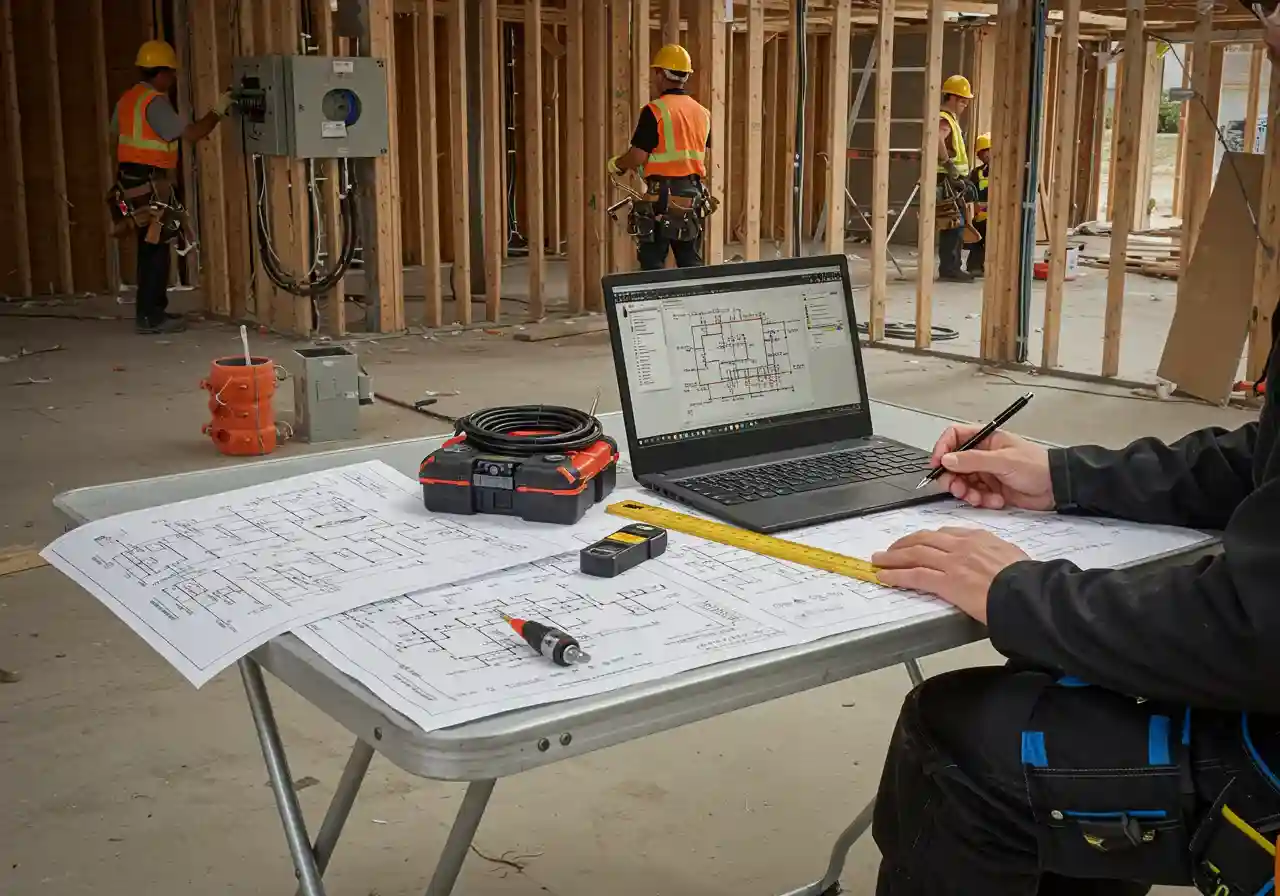
Electrical Estimation
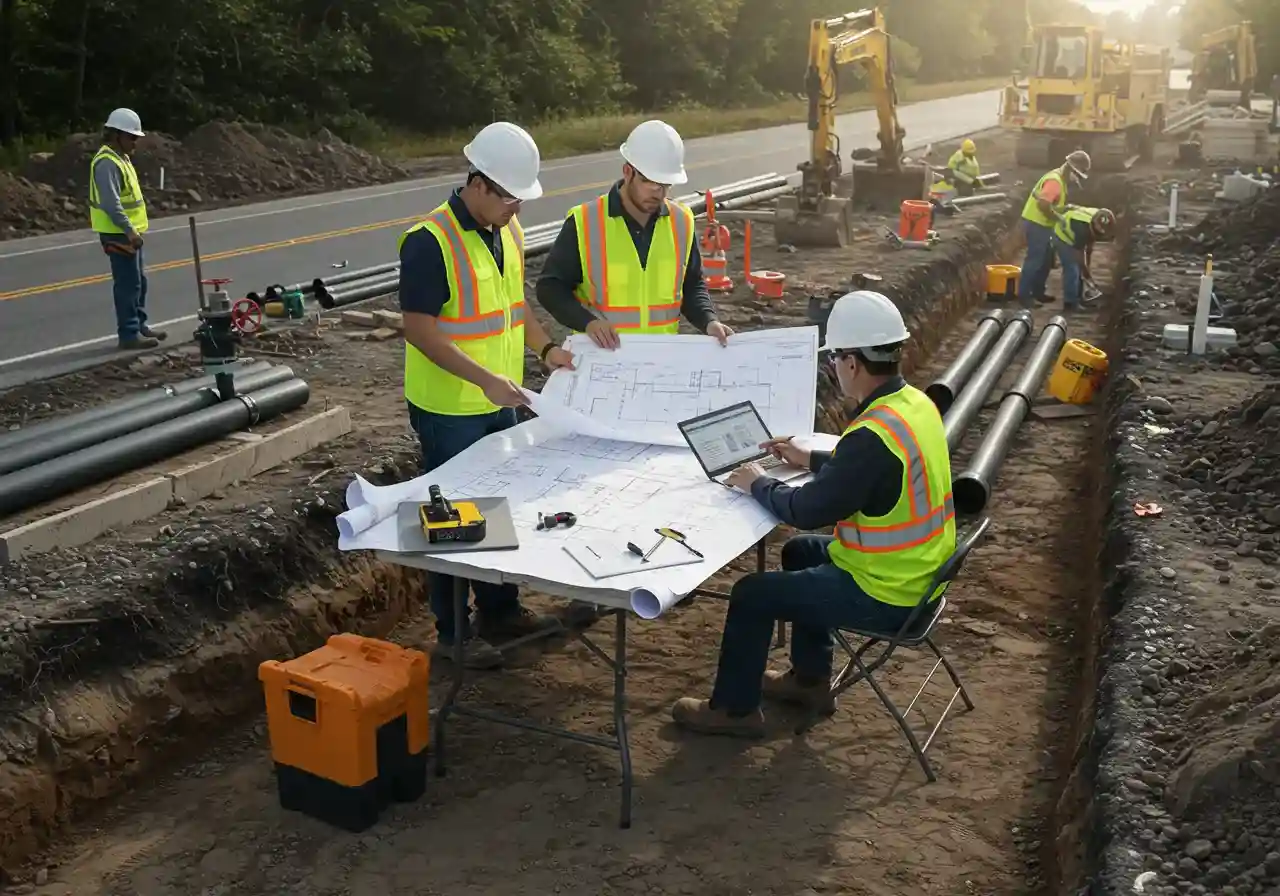
Plumbing Estimation
Mechanical Estimation